


True Story to Be Brought to the Screen
Mother Shoots and Kills Her Son on His Birthday
Published:
২৭ জানুয়ারী ২০২৬, ১৪:৪৪
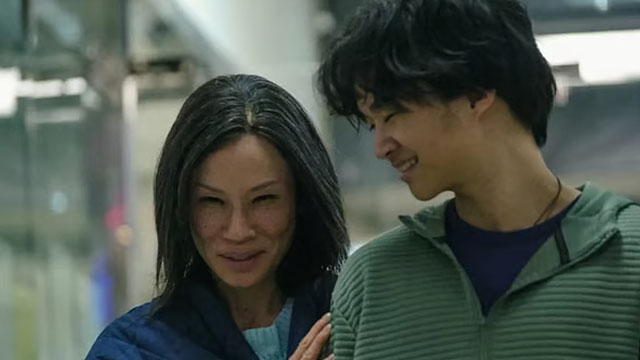
The Hollywood film Rosemead is not merely a psychological family tragedy—it is rooted in a deeply disturbing real-life incident. Released across the United States on January 9, the film is inspired by a heartbreaking event that took place in Rosemead, California, in 2015.
In that incident, 49-year-old Lai Hang, who was battling cancer, shot and killed her 17-year-old mentally ill son out of fear that he might one day commit a mass shooting.
The film is based on an investigative report published in Los Angeles Times in 2017 by journalist Frank Shyong. Acclaimed actress Lucy Liu plays the lead role of Irene, an Asian-American mother who attempts to hide her son’s schizophrenia from society.
A Real Family’s Story
Lai Hang was born and raised in Asia—spending her childhood in Laos and adolescence in Hong K
ong. After studying graphic design in Tokyo, Japan, she moved to the United States in 1992. She later married a man named Peter and started a printing business in Alhambra, California. With the success of the business, the family purchased a home in a safe residential neighborhood in Rosemead. Their son George was born in 1998.
In 2012, when George was in his first year of high school, his father died of cancer. Following his father’s death, George’s behavior began to change. He withdrew from friends and gradually developed mental
health issues. He was later diagnosed with schizophrenia.
However, discussing mental illness remained a strong taboo within the Asian-American community. Lai Hang believed that making her son’s condition public would bring shame upon the family. As a
result, she carried the burden of his illness almost entirely on her own.
Mental Illness, Rumors, and Fear
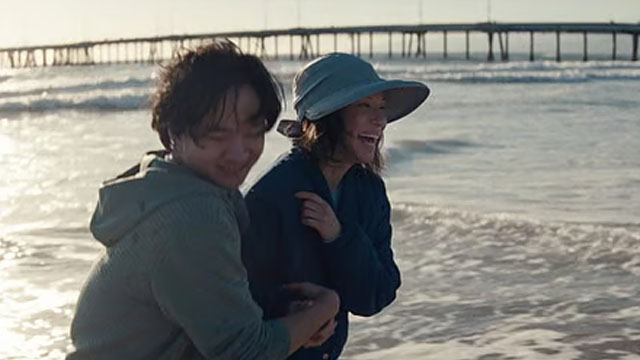
In the film, Irene is shown being surrounded by women who spread rumors that her son is taking medication and is therefore “possessed by evil spirits.” In real life, similar social pressure further deteriorated Lai Hang’s mental state.
George suffered from hallucinations, claiming to see his deceased father and hear unseen voices. During school shooting drills, he would panic and run out. At one point, school authorities informed Lai Hang that George had been secretly entering the school building at night.
The most alarming development was George’s growing obsession with mass shooters. After the 2015 Charleston church shooting by white supremacist Dylann Roof, Lai Hang became overwhelmed with fear. Around the same time, she learned that her own cancer was terminal and that she had only a few months left to live.
Why She Bought a Gun
Lai Hang later discovered numerous web pages on George’s laptop related to school shootings, weapon specifications, school maps, skull drawings, and notes with the word “hell” written on them. Convinced that she needed to stop her son, she purchased a handgun in July 2015. In the film, a scene shows her asking a gun shop employee whether he recognizes her son.
The Final Night
On July 27, 2015, Lai Hang checked into a motel with her son—a place associated with happy family memories from George’s childhood. In real life, it was in that same motel that she shot her son while he was asleep.
According to police records, Lai Hang lay beside her son for several hours afterward, stroking his head. She later told police that she did not take her own life because she wanted to face punishment for what she had done. In the film, the scene is portrayed with heightened emotional intensity—an 18th birthday gift, final reassurances, a gunshot, and then silence.
Prison, Release, and Death
After her arrest, Lai Hang’s physical condition deteriorated significantly while in custody. She lost her eyesight and became partially paralyzed. Before the trial could begin, she was transferred to a hospital on humanitarian grounds. She died there in December 2015.
Questions That Remain
Perhaps the most heartbreaking truth is that alternatives did exist. Legal options such as seeking court-ordered guardianship or admitting her son to a psychiatric facility were available at the time. However, social fear, psychological pressure, and lack of time prevented Lai Hang from pursuing those paths.
Rosemead is therefore not just a film—it stands as a poignant reflection on mental health, social stigma, and the tragic helplessness of a mother.

Comment: