


China Seeks to Expand Influence as India-Bangladesh Ties Face Strain
Published:
১০ ফেব্রুয়ারী ২০২৬, ১৩:০৫
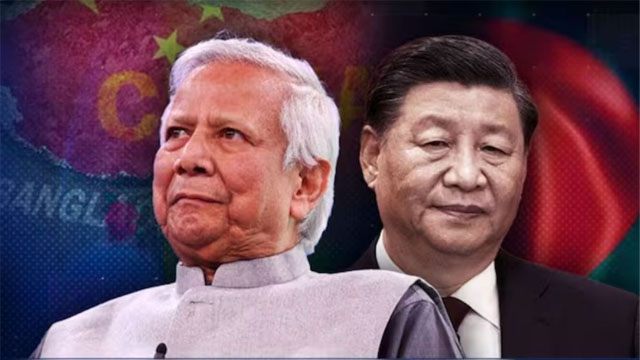
A shift in South Asia’s geopolitical landscape is becoming visible in early 2026 as relations between India and Bangladesh experience growing strain. Taking advantage of this situation, China is actively working to expand its influence in Dhaka.
Recent reports suggest that Beijing is trying to fill the strategic and economic gap created by the cooling of ties between New Delhi and Dhaka. Over the past few months, China has strengthened diplomatic engagement and increased investment commitments in Bangladesh.
Experts say that Bangladesh’s need for infrastructure development and economic support has made Chinese investment more attractive. Under the Belt and Road Initiative, China has already become involved in several major projects, including ports, roads, and power plants. At the same time, unresolved issues related to connectivity and border management with India have created discomfort among Bangladeshi policymakers. As a result, Beijing’s proposals are receiving greater attention.
Analysts view this trend as a major challenge for India. For decades, Bangladesh has been a key partner under India’s “Neighbourhood First” policy. However, China’s growing presence is now questioning New Delhi’s traditional influence in the region. If this shift continues, experts believe it could reshape the balance of power in South Asia and redefine regional alliances in the coming years.

Comment: