


US-Israel Shift to ‘Plan B’ in Iran War
Published:
১২ মার্চ ২০২৬, ১১:৫৭
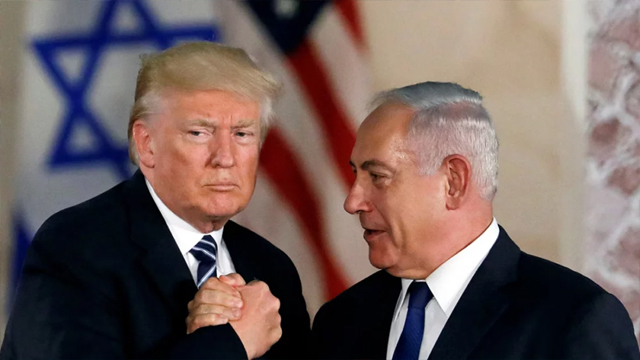
The war against Iran by the United States and Israel has entered its 13th day, with casualties in Iran reportedly exceeding 1,700 and many more injured.
At the start of the conflict, a joint US-Israeli strike killed Iran’s Supreme Leader Ayatollah Ali Khamenei along with at least 48 senior officials.
The initial strategy was to eliminate Iran’s top leadership in order to trigger a rapid collapse of the government.
However, nearly two weeks into the war, Iran’s political system remains intact. The country quickly appointed Mojtaba Khamenei as the new Supreme Leader and prepared alternative leadership options to ensure continuity.
With the original plan failing to bring immediate regime change, analysts say Washington and Tel Aviv are now shifting to a new strategy, often described as “Plan B.”
This strategy reportedly involves two key approaches.
One approach is to support or encourage unrest among Iran’s minority groups, such as Kurdish and Baluch communities, in hopes of creating internal instability.
The second and more significant approach is known as the “Dahiya Doctrine.”
Under this strategy, heavy and sustained attacks on infrastructure and civilian areas are used to weaken public support for the government.
Recent strikes targeting Iranian infrastructure suggest that this doctrine may already be in effect.
Analysts warn that the conflict is no longer just a military confrontation but part of a broader effort to destabilize Iran’s political structure.

Comment: