


Dhallywood Dreams of a New Dawn
Reform and Government Support Key to Reviving Bangladesh’s Film Industry
Published:
২০ অক্টোবর ২০২৬, ২২:১১
Once, the glow of a cinema screen opened the door to a world of dreams for audiences across Bangladesh. Stories of love, loss, struggle, the Liberation War and everyday life brought theatres to life. Over time, however, the industry’s former glory has faded. Audience tastes have changed, theatrical exhibition has contracted, and filmmakers face mounting production challenges. Yet hopes for a revival remain alive, provided the industry receives strategic support, effective government policies and greater opportunities for creative professionals to shape its future.
Since independence in 1971, Bangladeshi cinema has been more than entertainment. It has reflected the country’s society, culture, history and aspirations. While popular films once drew large audiences to theatres, Bangladeshi filmmakers' achievements at international film festivals have also demonstrated the country’s film industry's creative potential.
Preserving that legacy, however, requires more than nostalgia. It demands practical reforms, sustainable investment and a long-term vision.
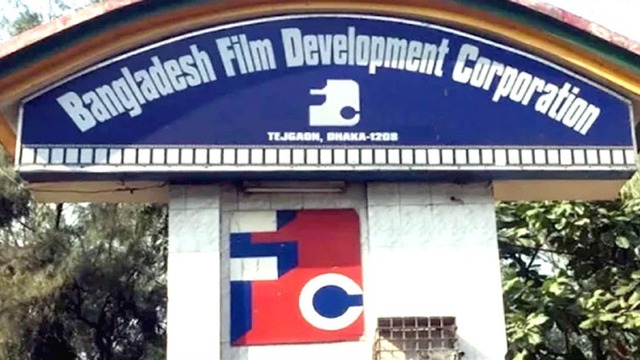
Film expert Md Kabir Hossain believes increased government incentives are essential to keeping the country’s film industry alive. He argues that the Bangladesh Film Development Corporation (BFDC) should be freed from political influence and managed with greater participation from filmmakers and film professionals.
He also called for expanded government support and facilities for independent filmmakers, many of whom struggle to secure the resources needed to produce and distribute their work.
Hossain further emphasized the need to improve the quality and prestige of film awards and introduce new initiatives to encourage filmmakers. His proposals highlight the importance of financial assistance, creative independence and institutional reform in addressing the industry’s longstanding challenges.
Modernizing cinemas and improving access to theatrical exhibition should be among the immediate priorities. Better sound and picture quality, cleaner facilities, improved security and affordable ticket prices could help attract audiences back to theatres. Public support should be distributed through transparent policies and effective accountability mechanisms to ensure that assistance reaches those who need it most.
The industry also needs a stronger and more transparent business structure. An effective central box-office system and digital ticketing could improve the accuracy of ticket-sales records, help investors assess commercial prospects and reduce disputes over revenue distribution.
The BFDC, meanwhile, needs to evolve beyond its role as a government-owned infrastructure provider and become a modern center for film production, technology and professional training. Affordable access to advanced shooting floors, editing facilities, sound design and visual effects could reduce production barriers and create opportunities for emerging filmmakers.
Expanding Bangladesh’s presence at international film festivals, building relationships with overseas distributors, improving subtitling and dubbing, and organizing screenings for expatriate audiences could also open new markets for local productions.
Ultimately, cinema is more than a collection of images on a screen. It carries a nation’s memories, cultural identity and collective dreams. Preserving the industry therefore requires a shared commitment from the government, filmmakers, investors, exhibitors and audiences.
With effective policies, meaningful institutional reform and sustained support for creative talent, Bangladesh’s film industry could once again bring new life to the silver screen and establish a stronger presence at home and abroad.

Comment: