


Coke Studio Bangla releases a version of Nazrul’s 'Karar Oi Louho Kopat’ on Victory Day
Published:
২০ ডিসেম্বর ২০২৩, ২১:৫০
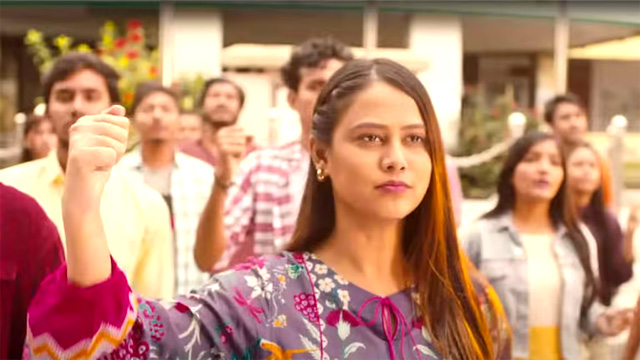
Coke Studio Bangla has released a version of Kazi Nazrul Islam’s famous patriotic song ‘Karar Oi Louho Kopat’ - to commemorate the 52nd anniversary of the nation’s victory in the 1971 Liberation War.
The rendition of the revolutionary Nazrul song, released on Saturday, is sung by young students from different educational institutions.
“Karar Oi Louho Kopat is a more than half-a-century-old song, but still relevant enough to bring out the indomitable energy that is Bangladeshi Youth. ‘Ore O Torun Ishan, Baja Tor Proloy Bisan’ is a line that echoes the spirit of freedom in our hearts of generations. Penned down by our National Poet Kazi Nazrul Islam, the ageless words capture the #RealMagic of a true Bangladeshi spirit that makes us stand tall- every time adversity tries to bring us down,” the video description said.
Coke Studio Bangla’s decision to cover the iconic song comes soon after the controversy stirred by Indian composer AR Rahman's remixed version for the Hindi film 'Pippa'.
The remixed version, produced and composed by Rahman featured performances by a number of West Bengal musicians like Rahul Dutta, Tirtha Bhattacharjee, Pijush Das, Shrayee Paul, Shalini Mukherjee and Dilasa Chowdhury, but saw significant criticism because of its changes to the original's melody.
Social media platforms lit up with reactions, with many labelling Rahman's version as an unwarranted departure from the essence of a song that inspired a long line of Bengali revolutionaries.

Comment: