
Dengue is still taking a heavy toll in Bangladesh as winter nears. At least 64 people died of the disease and 23,880 others were hospitalized in the first 13 days of November, according to figures from the Directorate General of Health Services (DGHS).
The latest daily update, covering the 24 hours to 8 a.m. on Saturday, recorded eight deaths and 1,674 new hospital admissions. That brings this year's total to 160,557 hospitalizations and 491 deaths. A total of 5,915 patients are currently receiving treatment. Of the newly admitted patients, 714 were in Dhaka division, 311 in Chattogram, 213 in Barishal, 190 in Khulna, 115 in Rajshahi, 60 in Rangpur, 50 in Mymensingh and 21 in Sylhet.
The outbreak has built steadily since the middle of the year. DGHS data show dengue claimed 13 lives in June, 36 in July, 43 in August, 148 in September and 174 in October. Hospitalizations climbed from about 2,900 in June to roughly 53,000 in October. Reports said 2,333 admissions were recorded on November 8, the highest single-day figure of the year, surpassing the previous peak of 2,249 on October 25.
Experts warn that the situation could stay severe throughout November, with December likely to see more cases than in previous years.
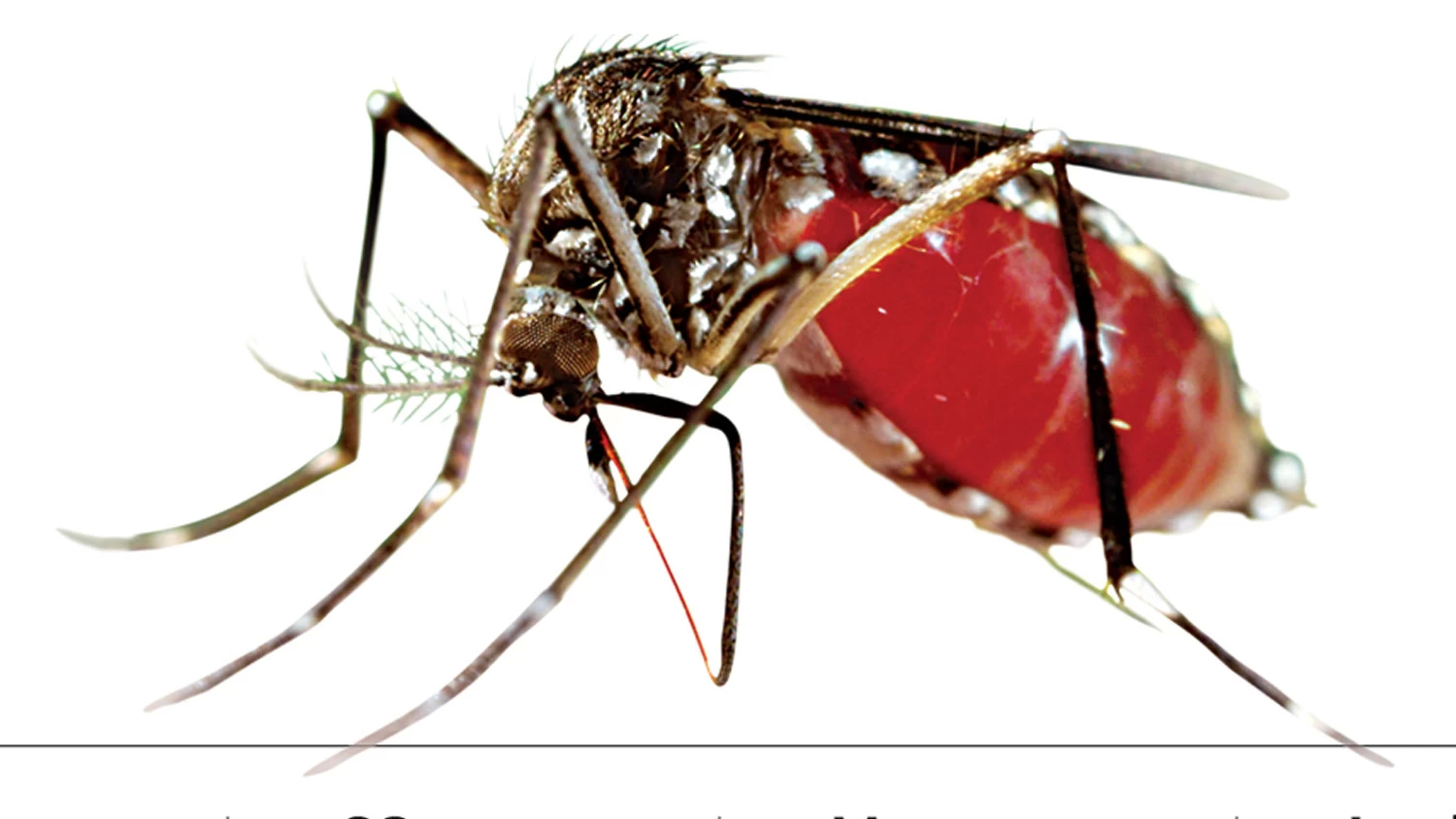
Kabirul Bashar, a professor of zoology at Jahangirnagar University and an entomologist, said the outbreak may not subside as quickly as expected, partly because of recent rain, and that the November decline could be smaller than first anticipated. Rain can create new breeding grounds wherever water collects, he said, so eliminating breeding sites is essential. Where stagnant water cannot be removed, he recommended larvicide and regular monitoring of breeding sites to control Aedes mosquitoes. He also called for stronger action against Culex mosquitoes, whose numbers are likely to rise.
HM Nazmul Ahsan, an associate professor at Shaheed Suhrawardy Medical College Hospital, said cases have dipped slightly but hospitals are still receiving many critically ill patients. Delays in transport, emergency assessment and admission can cause irreversible organ damage and raise the risk of death in dengue shock, he said, while early treatment improves recovery.
Ahsan said doctors are seeing more severe complications this year than in the past, including liver, kidney, respiratory and heart failure, and inflammation of the heart muscle. Further study is needed to explain the rise, he said. He suggested that circulation of dengue virus serotype 3 could be a contributing factor, since variation within a serotype may affect disease severity, though this has not been confirmed as a cause.
He urged people with heart, lung, liver or kidney disease, asthma, chronic obstructive pulmonary disease or obesity to seek hospital care promptly after a dengue diagnosis.