
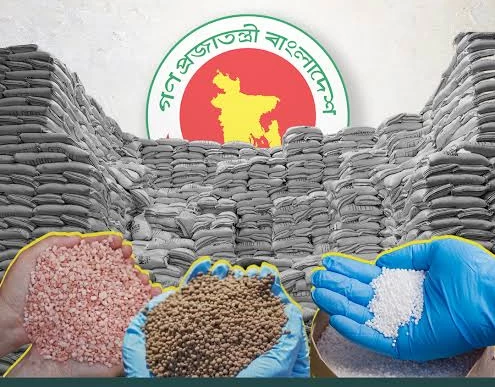
Allegations of political favoritism, nepotism and bribery have clouded the appointment of fertilizer dealers across Bangladesh. Reports point to party leaders, their relatives and applicants with little or no trading experience winning dealerships, while many established traders were left out.
The allegations come as fertilizer shortages are reported in several districts, ahead of the Boro paddy season, which runs from January to June, and the ongoing winter vegetable season. According to the Agriculture Ministry, more than 47,000 applications were submitted for about 5,000 dealership positions nationwide. So far, 4,503 dealerships have been awarded and 238 are still pending.
In Thakurgaon, 28 of the 31 newly appointed dealers across four upazilas are reportedly BNP leaders, activists, relatives or associates, and several allegedly lack experience or adequate warehouses. In Ranishankoil, six of eight dealerships reportedly went to relatives of BNP, Jubo Dal and Chhatra Dal leaders. Thakurgaon-2 MP Abdus Salam denied any involvement, saying the complaints came from unsuccessful applicants. The district BNP general secretary denied party influence, and a deputy director of the Department of Agricultural Extension said political affiliation was not considered.
In Kushtia, at least 50 of 70 dealerships reportedly went to BNP-linked people or relatives, including the son of district BNP Convener Md Kutub Uddin Ahmed. He acknowledged seeking a dealership for his son, saying the young man needed employment. In Jhenaidah, about 90 percent of dealers for 67 unions and six municipalities reportedly had no prior fertilizer experience. In Rajshahi, a review of 85 new dealers found that most were BNP-affiliated or had family in party politics. The deputy commissioner said appointments would be reviewed if complaints were received.
In Brahmanbaria-1, the appointees include the son of MP Abdul Hannan, a student with no business experience, along with the husband of the MP's younger sister and the wife of his nephew. An inquiry found that an old, abandoned rice mill near the MP's house was listed as the warehouse for his son's dealership, and local sources said it had been closed for years. Hannan disputed the information about the mill. He said party activists were deprived under the previous government and asked whether they ever had a chance to do business.
In Rangpur division, local BNP leaders in Pirgachha alleged that bribes were paid for appointments in seven of nine unions. The alleged amounts ranged from Tk 18 lakh to Tk 20 lakh. In Gangachara, a BNP organizing secretary who applied but was not recommended claimed that large sums changed hands. The upazila BNP general secretary denied any financial transaction and called the claims misinformation. In Lalmonirhat-2, BNP MP Rokon Uddin Babul said he had received many complaints and that dealers would be monitored for six months and removed if they failed to distribute fertilizer properly.
The issue reached parliament on Wednesday, when NCP MP Hasnat Abdullah alleged a festival of irregularities and accused some reserved-seat MPs of issuing letters recommending candidates in exchange for money. Agriculture Minister Mohammed Aminur Rashid and Chief Whip Nurul Islam Moni rejected the allegations. The minister said the government followed a multi-level verification process and that all complaints would be investigated, with any official responsible for improper verification held accountable.
Under the rules, applicants must be permanent residents of the area and must own or lease a warehouse with a capacity of at least 50 tonnes. Agricultural economist Jahangir Alam Khan said nepotism or payments could reduce efficiency, encourage corruption and keep qualified traders out, and that unsuitable dealers could worsen shortages. He called for a fresh investigation and the replacement of any dealers found to have secured appointments through nepotism or bribery.